FFL Plants & Pollinators
UF/IFAS ITHouse & Home
4.314.00 Reviews
- Version
- 4.0.30
- Installs
- 10.00K
- Age Rating
- Everyone
Screenshots
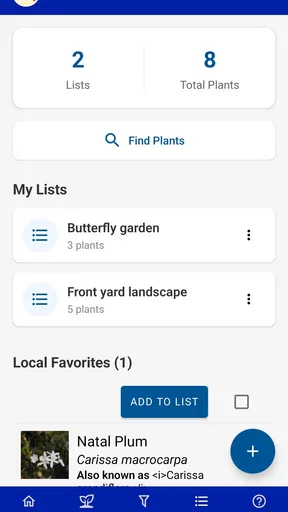
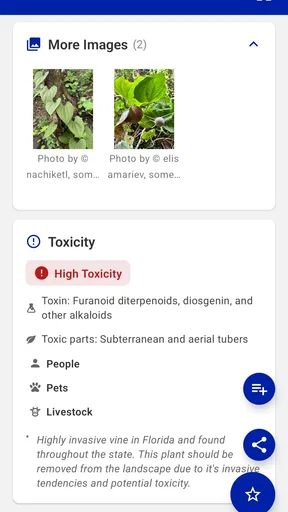
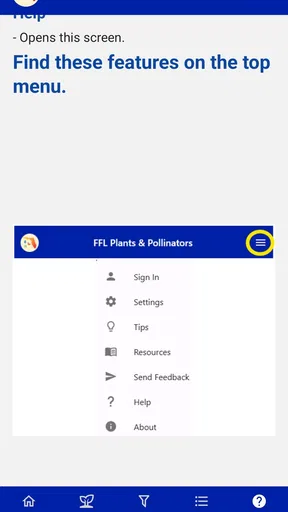
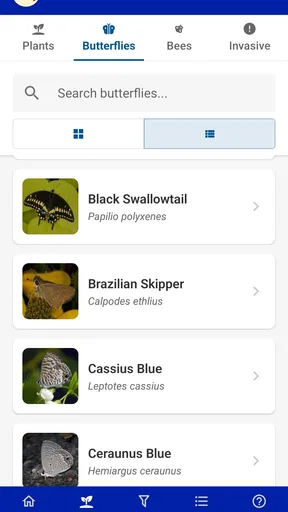
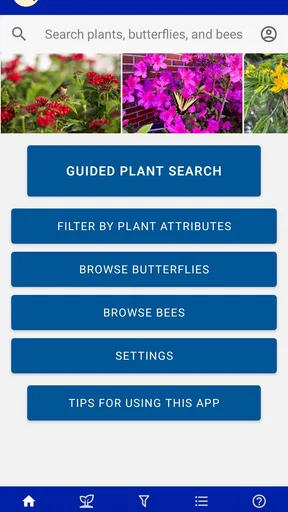
Our Review of FFL Plants & Pollinators
 Analysis by Appyee
When I choose a plant for a Florida yard, I do not want a beautiful picture alone. I want to know whether that plant makes sense for the local climate, whether it can support pollinators, and whether I am setting myself up for constant maintenance. FFL Plants & Pollinators is built around that practical decision, and after spending time with it, I found its most useful quality to be its focus on Florida-Friendly plant selection rather than general gardening inspiration.
This is a free House & Home app from UF/IFAS IT, with an Everyone age rating and support for Android 7.0 and later. It has an average rating of 4.3 from around 31 ratings and has passed 10 thousand installs, so it is not an obscure experiment, although it is clearly aimed at a specific regional audience rather than every gardener everywhere. The current version is 4.0.30, and the app was released on May 6, 2021.
Choosing plants by fit, not just appearance
The central capability is simple but important: the app helps me think about plants through a Florida-Friendly lens. That changes the question from “Which plant looks good?” to “Which plant belongs in this particular kind of Florida landscape?” For a state with different growing conditions, soil situations, light levels, and water demands, that distinction matters more than a long list of attractive species.
I especially like this approach for people who are starting a yard from scratch or replacing plants that repeatedly fail. A normal image search tends to reward attractive results, while a general plant-identification tool usually begins after I already have a plant in front of me. This app is more useful earlier in the process, when I am deciding what to buy or where to begin.
The pollinator emphasis gives the selection process another practical layer. Instead of treating wildlife value as a decorative extra, the app encourages me to consider whether a planting can contribute to a more active garden ecosystem. That does not mean every suggested plant will suit every yard, but it gives pollinator support a place in the decision before money and effort are spent.
The real benefit is not merely finding a plant name; it is reducing the chance of making a poor regional choice. That is a meaningful advantage over broad gardening apps that treat Florida as just another location in a worldwide database.
What this focus changes for a first-time gardener
For a new gardener, plant shopping can be surprisingly confusing. Nursery labels may show sun preferences, mature size, or watering advice, but those details do not always answer the larger question of whether a plant is a sensible fit for the surrounding landscape. I can use this app before visiting a garden center to create a more thoughtful shortlist instead of browsing randomly.
That shortlist is useful even when I still need to check the plant in person. I can compare the app’s guidance with the available space, observe the light at different times of day, and then decide whether the plant is realistic. In that workflow, the app does not replace judgment; it improves the questions I ask.
It is also helpful for someone who has inherited a yard and does not know where to begin. Rather than removing everything and starting over, I can use the app to plan gradual changes: identify areas that need better choices, prioritize plants that support pollinators, and avoid buying replacements based only on impulse.
How I would use it before buying anything
I would begin with the actual space, not with a favorite flower. I would note whether the spot receives strong sun, filtered light, or shade, and I would think about how much room the plant can occupy without blocking paths or windows. Then I would use FFL Plants & Pollinators to narrow the field toward plants that make sense for a Florida-Friendly landscape.
The important habit is to treat the app as a planning tool. I would save the names or details that appear promising, then verify practical points at the nursery, especially mature size and the amount of care I am willing to provide. This two-step process is better than expecting a phone screen to make the entire landscaping decision for me.
A useful, less obvious workflow is to use the app when replacing a failed plant. Instead of buying the same type again because it looked good in the original location, I can revisit the conditions that caused trouble. Was the site too exposed, too wet, too dry, or simply unsuitable for the plant? The app helps shift the replacement decision toward regional suitability and ecological value.
A realistic weekend scenario
Imagine I have a small patch near the front walkway where several ornamental plants have struggled. On Saturday morning, I can inspect the area, take note of the light and available space, and use the app to explore Florida-Friendly possibilities with pollinators in mind. I can then visit a local nursery with a shorter, more purposeful list.
At the nursery, I would compare the candidates with the labels and ask staff about the exact conditions in my yard. If one option needs more room than I have, I can discard it before planting. If another seems suitable but is unavailable, the app’s regional focus still gives me a better direction for finding an alternative than choosing a random substitute from a display table.
After planting, I would keep the app useful as a reference point rather than treating the job as finished. A garden is a process, and the most valuable result may be avoiding the next unsuitable purchase. That is where this tool feels more practical than a one-time plant encyclopedia.
Why the pollinator angle matters in everyday use
Many gardening tools focus on color, size, or maintenance. Those are important, but the pollinator angle encourages a broader design decision: I can think about how several plants work together instead of selecting isolated specimens. A yard with varied flowering choices may be more interesting to observe and more useful to visiting insects than a space planned only around uniform appearance.
I would not interpret the app as a guarantee that a particular planting will attract pollinators immediately. Weather, season, surrounding habitat, and local conditions all affect what appears in a garden. The value is that the app makes pollinator support part of the selection conversation, which is easy to overlook when shopping by color.
One practical tip is to use the app when planning more than one planting area. A single bed can be attractive, but considering the front yard, patio edge, and side passage together may produce a more coherent plan. I can reserve high-visibility areas for plants that fit the visual design while using less prominent spaces to broaden the habitat value.
Where it stands against familiar alternatives
Compared with a general plant-identification app, this tool serves a different moment. Identification apps are excellent when I see an unknown plant and want to learn what it is. FFL Plants & Pollinators is more relevant when I am deciding what to grow in Florida and want regional and pollinator considerations to influence the choice.
Compared with a broad gardening website, the app is more convenient for quick planning on a phone. I can consult it while walking around my property or standing in a garden center. The trade-off is that a broad website may offer more extensive articles, photographs, personal experiences, and troubleshooting discussions. If I need a detailed diagnosis of a pest problem or a full planting calendar, I may still prefer a specialist source or local extension guidance.
Compared with a nursery label, the app gives me a more intentional starting point, but the label remains valuable for the individual plant currently on the shelf. I would use both. The app can help me decide what kinds of plants deserve attention; the label and local advice can help me judge whether the exact specimen is right for my space.
This distinction is important because the app is not trying to be every gardening resource at once. Its strength comes from narrowing the decision around Florida-Friendly plants and pollinators. People who want a universal plant database or a social garden journal may find a different category of app more suitable.
The trade-offs I noticed while evaluating it
The strongest limitation is also part of the app’s identity: its usefulness depends heavily on being relevant to Florida. If I garden in another state or outside the region, its central guidance is much less valuable. Even gardeners in Florida should not assume that a statewide recommendation automatically solves every property-level issue.
Local conditions can vary dramatically within the same state. A plant that suits one yard may still struggle in another because of shade, drainage, salt exposure, available space, or the gardener’s watering habits. I would therefore use the app to narrow choices, not to skip observation and local advice.
There is also a trade-off between ecological usefulness and decorative certainty. A pollinator-friendly choice may not deliver the exact flower color, shape, or tidy appearance I originally imagined. I see that as a worthwhile challenge, but someone designing a highly controlled ornamental garden may prefer a tool centered on visual planning and plant combinations.
Another point is that a recommendation is only as useful as my follow-through. I still need to read plant labels, place plants correctly, and maintain them during establishment. The app can prevent a poor starting decision, but it cannot compensate for ignoring the site or planting too densely.
Small habits that make the app more effective
I would avoid browsing it only when I am already standing at the checkout. Last-minute decisions encourage me to choose whatever is available or attractive. Using the app a few days before shopping gives me time to compare options and measure the space.
I would also separate “possible” from “ready to plant.” A candidate may fit the Florida-Friendly goal but still be wrong for a narrow bed or a heavily shaded corner. Keeping those two stages separate helps me avoid forcing a promising plant into an unsuitable location.
For larger projects, I would make a simple area-by-area plan. One section could focus on a walkway, another on a sunny open bed, and another on a quieter corner where pollinator value matters more than formal appearance. This prevents the common mistake of selecting plants individually without considering how the whole yard will function.
Finally, I would use the app to improve conversations with nursery staff. Instead of asking only for “something colorful,” I can explain that I am looking for a Florida-Friendly option for a particular light and space situation, with pollinator value if possible. That makes the advice I receive more specific and gives the app a practical role beyond the screen.
Who will gain the most from it
I think the best audience is a Florida homeowner, renter, community gardener, or beginner who wants a more responsible way to choose plants. It is particularly useful for people who have wasted money on plants that looked suitable in a store but failed after planting. The regional emphasis can help them begin with better assumptions.
It also suits experienced gardeners who want to make pollinator support a more deliberate part of their landscape. They may not need basic gardening explanations, but they can still benefit from a focused reference when expanding a bed or replacing an established plant.
People who should probably skip it are gardeners outside Florida, users seeking a plant-care scheduler, and anyone expecting an app to identify every plant from a photograph. It is also not the first tool I would choose for detailed landscape design, pest diagnosis, or a social community built around sharing garden progress.
For families, the Everyone rating makes it approachable as a shared planning tool. A parent and child could use it to discuss why a plant might be valuable beyond its appearance, then observe what happens in the garden over time. That kind of use makes the app feel educational without requiring the experience to become a formal lesson.
My recommendation after using it
FFL Plants & Pollinators is a focused, free House & Home app that earns its place by helping users make better plant choices for Florida. I appreciate that its main idea is practical: choose plants with the region and pollinators in mind before committing space, money, and effort.
I would recommend it to anyone in Florida who is planning a new bed, replacing unsuccessful plants, or trying to make an existing yard more welcoming to pollinators. I would use it alongside nursery labels and local expertise, not as a complete substitute for them. Its value is greatest at the beginning of the process, when a better shortlist can prevent a disappointing planting.
My final view is favorable, with one clear condition: this is a specialized guide, not a universal gardening companion. If that regional focus matches your needs, it offers a sensible way to turn plant shopping into more informed landscape planning. If you want broad global coverage, automated care reminders, or detailed diagnosis, another type of app will serve you better. For Florida gardeners who want their choices to be both attractive and more ecologically thoughtful, FFL Plants & Pollinators is a useful place to start.
Verdict
Strengths of FFL Plants & Pollinators
- Helps identify plants and pollinators through an accessible visual interface.
- Useful for learning about local biodiversity and seasonal species.
- Encourages users to notice and support pollinators in their surroundings.
- Suitable for casual nature enthusiasts, families, and beginner gardeners.
- Can make outdoor walks more engaging and educational.
Limitations of FFL Plants & Pollinators
- Identification results may be less reliable for uncommon or similar-looking species.
- Coverage and information quality can vary by region.
- Some features may require an internet connection or location access.
- Not a substitute for expert identification of potentially harmful plants.
- Users may need to contribute observations for the database to grow.
Similar Picks in This Category
View All
Universal TV Remote Control
CodeMatics Media Solutions3.9

AlfredCamera Home Security app
Alfred Systems Inc.4.7

Planner 5D: AI Home Design
Planner 5D4.5

Universal Tv Remote-Cast to TV
One Music Player4.1

Zillow: Homes for Sale & Rent
Zillow Group4.8

99acres Buy/Rent/Sell Property
infoedge.com4.3
Frequently Asked Questions
What is FFL Plants & Pollinators, and who is it designed for?
FFL Plants & Pollinators is an educational app focused on plants, flowers, and the pollinators that depend on them. It is suitable for students, families, teachers, gardeners, and anyone interested in nature. The app presents information in an accessible format, making it useful for learning about biodiversity, identifying plant and pollinator relationships, and developing a better understanding of local ecosystems.
What can I learn with the FFL Plants & Pollinators app?
The app helps users explore the important relationship between flowering plants and pollinating animals such as bees, butterflies, and other insects. Depending on the available content, you can learn about plant characteristics, pollinator behavior, habitats, seasonal activity, and ways to support wildlife. It is especially helpful for discovering why pollinators matter and how healthy plant diversity benefits the environment.
Is FFL Plants & Pollinators appropriate for children and classroom use?
FFL Plants & Pollinators can be a useful resource for children, families, and educators because its subject matter encourages observation and environmental awareness. Younger users may benefit from exploring it with an adult, particularly when reading detailed information or completing related outdoor activities. Teachers can also use the app as a supporting resource for lessons about science, ecology, gardens, food production, and conservation.
Does the app require an internet connection or access to my personal information?
The connection requirements may depend on the version of FFL Plants & Pollinators and the features you use. Basic educational content may be available after installation, while updates, external links, or certain interactive resources could require internet access. Before downloading, review the app-store listing for its current privacy details, permissions, and data-safety information, since these policies can change with future updates.
Why should I download FFL Plants & Pollinators instead of using general nature websites?
The main advantage of FFL Plants & Pollinators is its focused approach to the connection between plants and pollinators. Rather than searching through unrelated pages, users can explore a subject organized around biodiversity, habitats, and ecological relationships. It offers a convenient starting point for learning and outdoor discovery, although it should be treated as an educational guide and supplemented with local experts or reliable scientific sources when precise identification is important.
